


A flat or house in Alicante can bring a steady income if you choose the right type of rental and follow local rules. Here is how long-term, seasonal and holiday rentals differ, and what has changed in 2026.
Long-term rental
This is renting a home as the tenant’s main residence, governed by Spain’s Urban Leases Act (LAU). The key points:
- the tenant can extend the contract up to 5 years if the landlord is an individual, and up to 7 years if it is a company;
- the deposit (fianza) is one month’s rent, and extra guarantees are limited by law;
- rent increases during the contract are capped.
Pros: steady income and little hassle. Con: it is harder to get the property back early, so choosing the right tenant matters.
Seasonal rental
Rentals of up to 11 months for temporary stays: a work contract, studies, wintering. The contract must state the real temporary reason. It is a good option if you want to use the home yourself for part of the year.
Holiday rental
Renting to tourists by the night requires registering the home as a tourist dwelling (VUT) with the Generalitat Valenciana. In addition, since July 2025 there is a single national short-term rental register: you need its registration number to advertise on Airbnb, Booking and similar platforms.
Important: since early 2025 the city of Alicante has had a moratorium on new tourist licences for flats in residential buildings, which was later extended. It is expected to last until early 2027, and the city council is preparing permanent rules. A court has upheld the moratorium, and the city is actively inspecting illegal rentals. So if you are buying a flat in Alicante for holiday letting, first check that it has a valid licence. Neighbouring municipalities such as El Campello have different rules that need to be checked separately.
Tax on rental income
- non-residents from the EU and EEA: 19% on net income, after deducting expenses such as IBI, community fees, insurance, repairs and mortgage interest;
- non-residents from other countries: 24% on the gross rent, with no deductions;
- Spanish tax residents: include the income in their IRPF return and can apply a reduction for long-term residential lets.
Non-residents file form 210. We recommend keeping a record of expenses from the first month: it noticeably lowers the tax.
Getting the property ready
- an energy performance certificate is required to advertise;
- professional photos and an honest description attract good tenants faster;
- long-term lets are usually furnished and equipped;
- rent default insurance protects against the owner’s main risk.
How we help owners
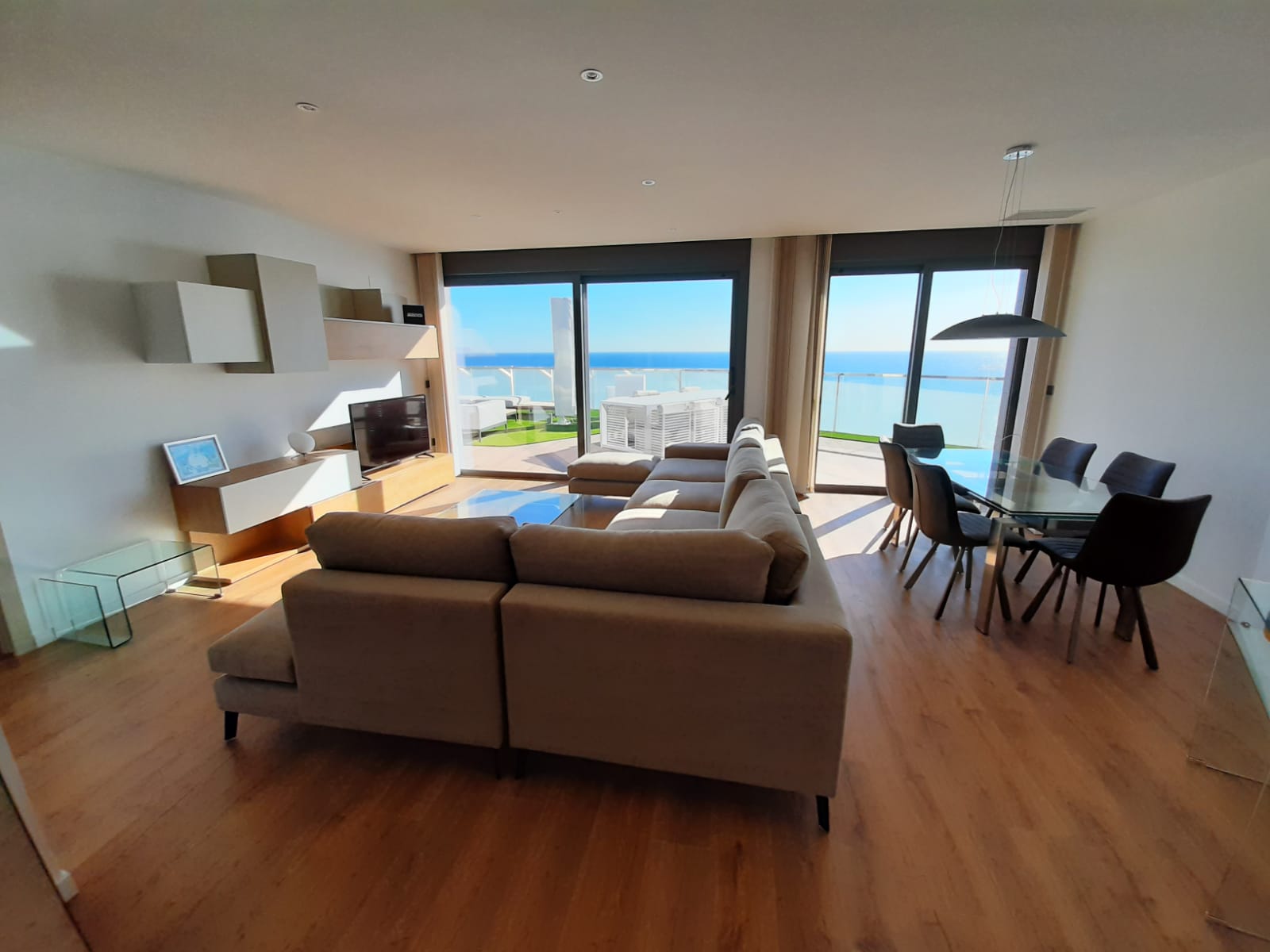
Inmoglobo assesses the rent, prepares the property and photos, lists it on the major portals, screens tenants, drafts the contract and manages the tenancy. Example of a rental property: a house by Muchavista beach in El Campello. Want to rent out your home? Fill in the short form and we will contact you within 24 hours.
Information as of October 2026. Holiday rental rules change quickly, so we check the status of each property before you buy.